

What we can learn from an astronaut about growing older
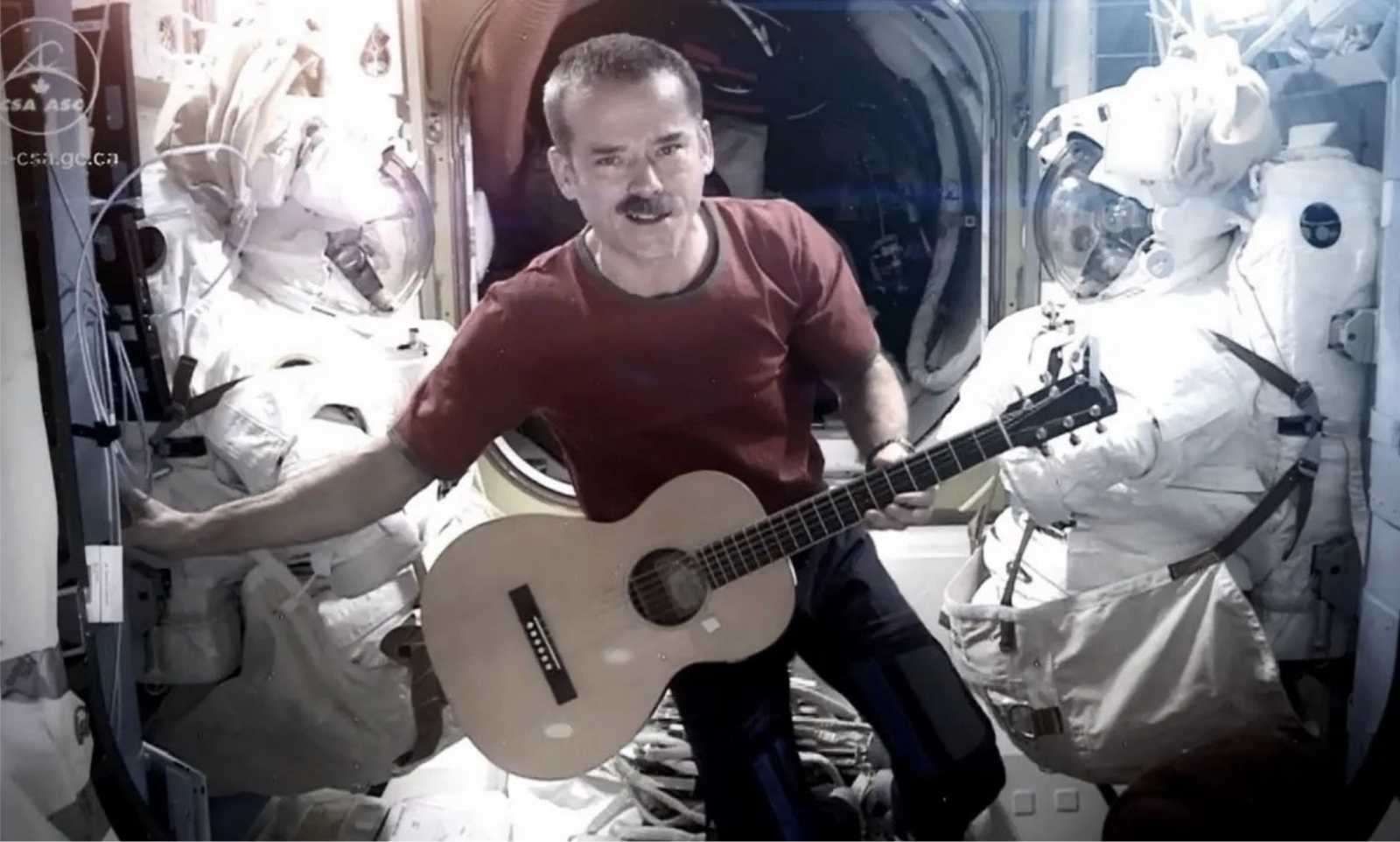
Astronauts train for emergencies that, statistically speaking, will probably never occur. For one simple reason: when the critical moment arrives, there’s no time left to learn. That mindset shifts how you think about your own aging. Preparation isn’t fear. It’s strategic composure.
There’s no such thing as over-preparation
The sentence comes from Chris Hadfield, former commander of the International Space Station, written in his book An Astronaut’s Guide to Life on Earth. He isn’t advocating hyper-caution. He’s describing a mindset.
Astronauts spend years training for emergencies that are unlikely to ever occur. Fire on board. Loss of pressure. Total system failure. Scenarios no one hopes to face. And still, they rehearse them again and again.
Not because they expect the worst. Because when the decisive moment comes, there is no time left to learn.
In that sense, training is more than practicing solutions. It’s a structured engagement with possibility. What could happen? What keeps you capable if it does? Preparation becomes the architecture of your own composure.
Preparation builds resilience
What is standard practice in spaceflight is well established in psychology. Resilience doesn’t emerge in the middle of a crisis. It develops through the mental rehearsal of potential stressors. When people simulate scenarios in advance, they reduce cognitive overload. The capacity to act is strengthened before it is ever required.
Applied to aging, this idea gains real weight. Aging isn’t a sudden event. It’s an ongoing process of transformation. Roles evolve. Meaning shifts. Pace, impact, and belonging are renegotiated. When this dynamic is only acknowledged once it is fully unfolding, it is more likely to be experienced as loss of control.
Preparation in this context isn’t about managing life through a checklist. It’s about expanding your range. Building capabilities. Nurturing networks. Keeping your ability to learn alive. Mentally walking through transitions before they become reality.
The fact that we age is predictable
In corporate strategy, scenario planning has been standard practice for decades. The future is modeled in variations, risks are mapped, options are prepared. Markets are considered volatile, so organizations plan accordingly.
Demographics, on the other hand, are often treated as if they arrive without warning. Yet they are more predictable than any economic forecast. Societies age. Workforces shift. Careers grow longer and more diverse.
Organizations that adjust structures only after critical knowledge has walked out the door, or entire experience clusters exit at once, are operating under pressure. Those that design transitions early stay in control. Preparation here means rethinking career paths, systematizing knowledge transfer, embedding a learning culture that isn’t age-bound, and questioning rigid assumptions about linear life trajectories.
The brain remains adaptable
Neuroplasticity doesn’t expire at a certain age. The brain remains capable of change as long as it is challenged. Cognitive reserve builds through ongoing use.
Preparing for later phases of life is therefore also training your own thinking. When learning is treated as a continuous practice, adaptability grows. When people disengage mentally too early, their range narrows.
The real risk isn’t age. It’s self-limitation.
The story we tell.
Perhaps the greatest challenge isn’t the biological process, but the cultural narrative around it. Aging is often framed as a story of decline. When that image dominates, preparation looks like defensive damage control.
If aging is understood as transformation, the perspective shifts. Preparation becomes an act of authorship. Not driven by fear, but by clarity. Not a retreat, but an expansion.
In that light, Hadfield’s line takes on a new dimension. There’s no such thing as over-preparation. It’s a stance toward the future. And aging is the future unfolding in slow motion.

