

Age stereotypes get passed on
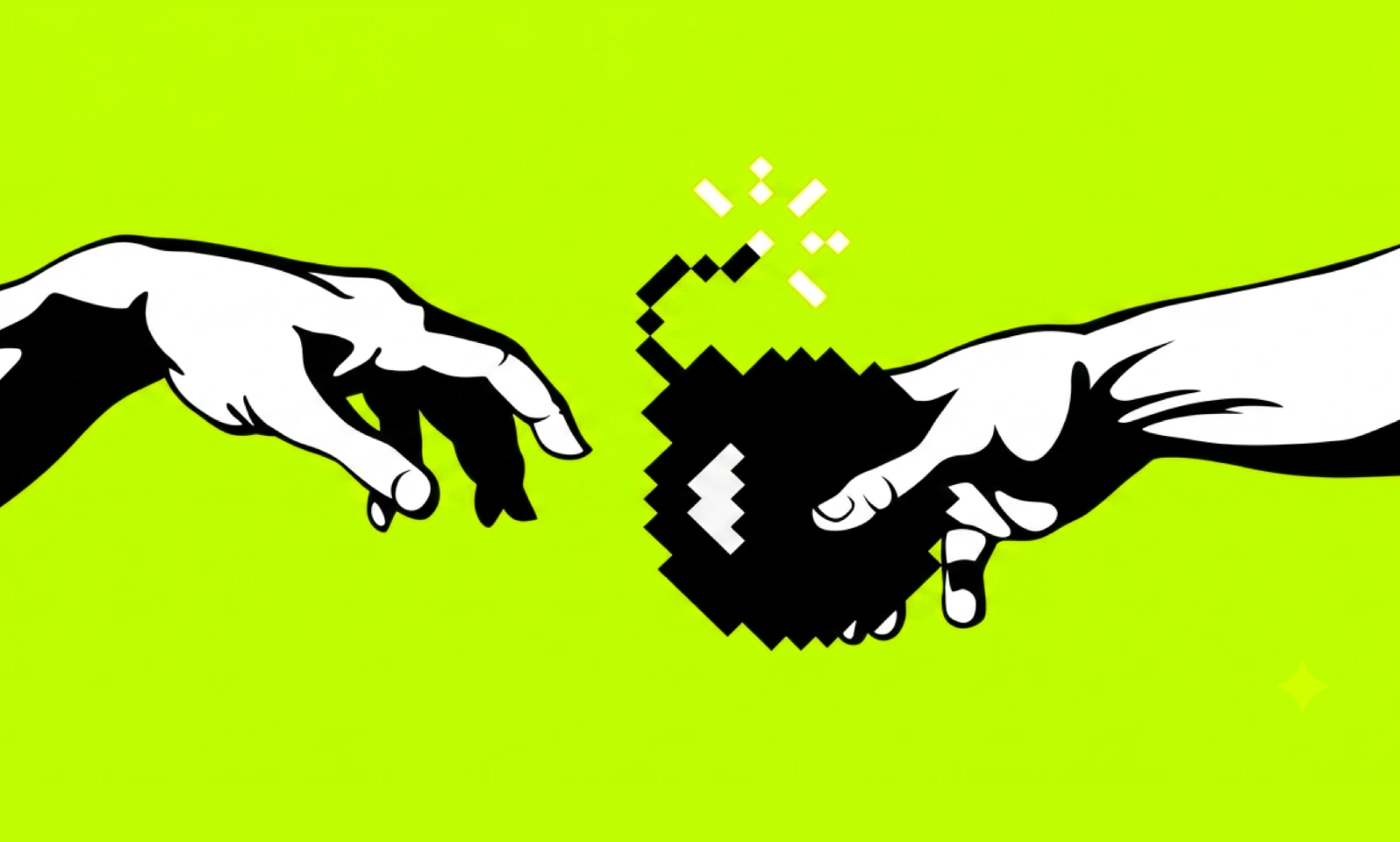
We learn ideas about age early and often pass them on without even noticing. Casual assumptions turn into expectations, decisions, and routines. Organizations and AI keep them circulating. It’s time to break the cycle.
Time to step in
A sentence, an image, a well-meant piece of advice, or a decision that feels right at first. That’s how assumptions travel through families, schools, teams, and organizations. Eventually, their source is no longer visible. Yet they continue to shape who gets noticed, supported, and included, and who is seen as capable.
We learn ideas about age early
Ageism can affect people at any stage of life. We begin absorbing the ideas behind it as children. At home, at school, in advertising and the media, and through everyday interactions, we learn who gets to explore, who is trusted with responsibility, and who even appears in stories about love, new beginnings, and the future.
Children absorb what their surroundings show them. Over time, these ideas turn inward. What once seemed to apply to others becomes part of what we expect from our own aging. Yale psychologist Becca Levy calls this process “stereotype embodiment”: We absorb age stereotypes over many years, and they can later shape how we perceive and experience our own aging.
They are often passed on in the most casual ways. “You’re too young for that.” “You want to start over at your age?” “She’s amazingly fit for her age.” Comments like these carry assumptions about what is considered possible, appropriate, or surprising at any given age.
What’s missing shapes our view, too. When older people are largely absent from stories about love and the future, or younger people aren’t taken seriously in conversations about responsibility and experience, that sends a message as well. What we show has an impact. What we leave out does, too.
When assumptions shape reality
Age stereotypes rarely come without consequences. They shape decisions and become embedded in structures and routines. Older employees may be offered fewer training opportunities because they are seen as less willing to learn or are already being written off as on their way out. Younger employees may be invited to contribute yet still excluded from important decisions because they are automatically assumed to lack experience.
And the cycle closes: An assumption shapes a decision. That decision creates a reality. And that reality appears to confirm the original assumption.
AI carries our assumptions forward
We now pass our ideas about age on to AI systems as well. They are embedded in training data, images, texts, and past decisions. They return to our everyday lives through generated content, recommendations, and automated assessments, once again shaping how age is represented, categorized, and judged.
This expands the reach of familiar assumptions. Repeat them often enough, and they begin to feel like common sense. The source disappears. The impact remains.
A vicious cycle. Time to step in.
Ageism belongs in the curriculum
The World Health Organization identifies education as one of the most effective ways to counter ageism. That’s why the subject belongs in schools, training programs, and universities from an early stage. Learning about ageism, encountering a wide range of life stories, and building real connections across ages can help people recognize assumptions before they take hold and get passed on.
Starting early also means holding organizations accountable. Ideas about age are passed along there every day through staffing decisions, development opportunities, language, imagery, and the question of whose future is considered at all.
Before assumptions become routines
This is where Age Bombs comes in. We make the hidden logic around age visible and help organizations rethink age and aging. We look at the images that shape decisions, the structures they create, and the opportunities to break the cycle.
Ideas about age don’t disappear on their own. Someone has to step in.
Curious what this could set in motion for your organization, your team, or you personally?

